
An optical engine and near-infrared imaging, worn as glasses.
A transparent near-eye display, imaging that reads through the layers of the skin, and AI that interprets it live. Together they put the vein where the clinician is already looking.
The vein, in your line of sight
A see-through Lumus waveguide projects the vascular map straight into the clinician's view, so attention stays on the patient rather than a monitor across the room.

Reading beneath the surface
Near-infrared light penetrates the upper layers of skin and returns a contrast image of the vessels below, the physics that makes a vein visible without a single puncture.
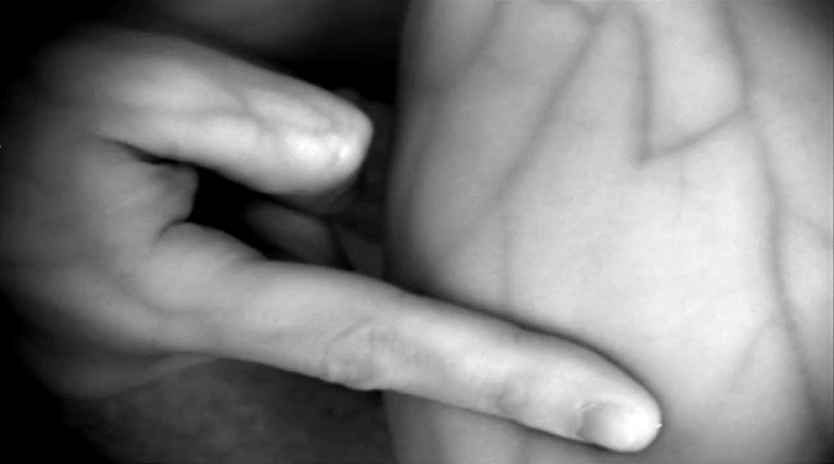
AI that tracks the vessel live
The platform reads the near-infrared feed in real time, separating vessel from tissue and holding the map steady as patient and clinician move.

One platform, two fields.
At the hospital bedside
Built for the moments where access is hardest: pediatric, oncology, elderly and dehydrated patients, where repeated sticks are the daily reality.
- Faster first-attempt vascular access
- Fewer repeat sticks and wasted consumables
- Centers of excellence with leading hospitals
Point of injury & field medicine
The same hands-free visualization for medics working in the field, developed through U.S. SBIR and DARPA programs.
- Rapid access under pressure, away from the hospital
- Self-contained and wearable for austere settings
- SBIR Phase I proposal and defense engagement